 |
 |
 |
| Главная Журналы Популярное Audi - почему их так назвали? Как появилась марка Bmw? Откуда появился Lexus? Достижения и устремления Mercedes-Benz Первые модели Chevrolet Электромобиль Nissan Leaf |
Главная » Журналы » Preparation instrucnons requirements 1 ... 8 9 10 11 12 13 14 ... 43 TABLE 507.3-1. Hlfli hunlditv diurnal categories. 1/
kJ Tenperature and humidity values are for ambient air. 2/ For chassber control purpose. 100% RH laplies as close tc IOCS as possible but not less than 05%. .-I о Cycl 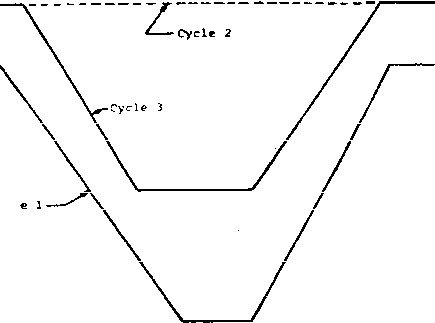 4Н Cycle 1 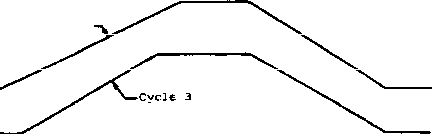 -Cycle 2 it М * Hour of cycle FIGURE 507. 3.1. natural temneratupe-huaidltv evelea. ЖТЮО 507.3 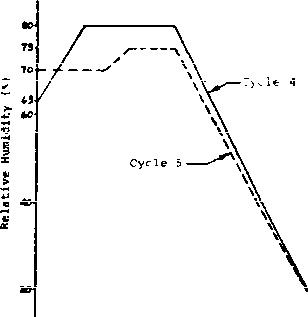 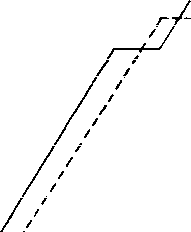 и >4 Cycle 4 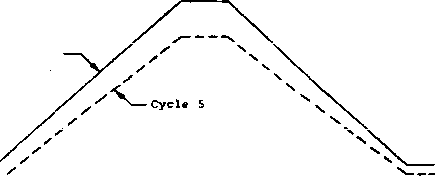 £ 4 i S w £ M i4 CO u X4 Hour of Cycle FIGURE 507.3-2, Induced tempepatura-hunitHtv t vt l > KETHOD 507.3 ilGL-STO-eiOE 14 JULY lOSd *> See Note See Note 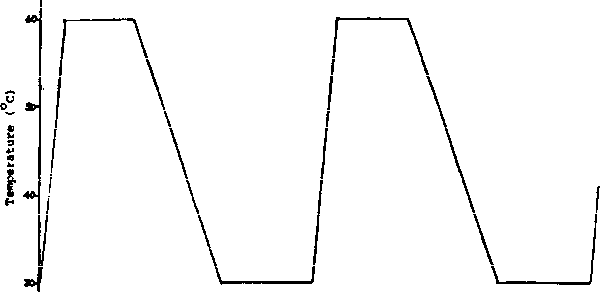 S £ Hours Note: Relative hunidity mainteined above 85 during temperature drops. FIGURE 50?. 3-3 iggravated tsaperaturshiaiidUT ете1ез. monthly, year round. The frequency decreases as the distance from the equator increases. The mid latitudes can experience these conditions several days a month for two to three months a year. (3) Cyclic high hisniditv. Cyclic-high-humidity conditions are found In the open in tropical areas where solar radiation is a factor. In these areas, exposed itens are siAject to alternate wetting and dryir.g, but the frequency and duration of occurrence are essentially the same as in the constajit-hi-hinnldlty areas. In addition to these three categories of natural high-humidity conditions, there are two cycles for Induced conditions: (4) Induced hot-humid. This condition exists hen equipment in the hot-humid category receives heat from solar radiation with little or no cooling air. i5) Induced variable-high humidity.. This condition exists when equipment in the variable-high-humidity category receives heat from solar radiation with little or no cooling air. b. Test duration. The пш1Ьег of tenperature-humidity cycles (total test time) is critical in achieving the purpose of the test. It is preferable to use the nud er of cycles given in the requirements docisnsnts for the materiel. If this information is not available, use the following guidance (see table 507.3-11): NOTE: Any degradation that could contribute to failure of the test item during more extensive exposure periods or during expostjre to other deployment environments, such as shock and vibration, shall be docunented. Further, testing shall be extended for a sufficient period of time to evaluate the long-term effect of its realistic deployment duration {deterioration rate becomss asjtotie) . (1) Tests enploving procedure I - Natural (a) Hazardous test items. Hazardous test items are those in which any unknown physical deterioration stistalned during testing could ultimately result in damage to materiel or injury or death to personnel when the test item is used. Haiardous test items will generally require longer test durations than nonhazardous test items to establish confidence in the test results, Tvri-se the nornsl test duration is reconnended (see table 507.3-II. cycles 1 through 3). Each test can be terminated prematurely after the quick-look level has been reached if the materiel has failed the visual or functional checkout. (b) MorAazardoua test iteias. Nonhazardous test itass should be exposed from 10 to 60 cycles of conditioning, depending тфоп the geographical area t-o which the materiel will be exFюsвd (see table 507.3-II. cycles 1 through 3). Each test can be terminated prematurely after the quick-look level has been i*eached if it is determined that the test item has already failed the test and further testing is futile. TABLE 507.3-II. Test cycles (dav8) NATURAL INDUCED
! Quick Look U 1/ Operational checks are required at least once every five days, but more frequency checks are reccasasnded fcr early detection cf potential problems. (2) Tests enploylng procedure II - Induced (a) Hazardous test items. Hatzardous test items will generally require longer tests than nonhazardous items to establish confidence in test results. Since induced conditions are arach isore severe than natural conditions, potential problMH associated mth high tenperature/high relative hunudity mH be revealed sooner, and the results caui be analyzed with a high degree of confidence. Conseqtiently, hazardous test items should be exposed to extended periods (double the normal periods) of conditioning, depending ipon the geographical aategoi>y to iich the materiel will be exposed (see table 507.3-11, cycles 4 and 5). Each test can be termiruted after the quick-look level has been reached if the materiel has failed the visual or functional checkout or if deterioration is obvious. (b) Nonhazardous. test items. Induced conditions are much more sever than natural conditions and potential problems associated with high tenperature/high himiidity will thus be revealed sooner, and the results can be analyzed, in most cases, with a high degree of confidence. Sonhasardous test items should be exposed to test durations as specified in table 507.3-II, cycles 4 and 5, depending upon the geograrfileal category to wAiich the material will be exposed. Each test can be terminated after the quick-look level has been reached if it has been determined that the test item has already failed the test and additional testing is futile, or if deterioration is obvious. (3) Tests enploying procedure III - Airavated. Based on past experience, a RiiniiTum of ID cycles is reconnended to reveal potential test item problens. For the test itens incorporating seals to protect njoisture-sensitive materials, e.g., pyrotechnics, longer test durations may be required. (4) Quick-look. After a relatively short period of testing has elapsed, the test item may be given a visual Inspection and operational checkout, and a decision may be nade to continue or stop the test.. The tine after wnich a quick look can be made is different for each test cycle and is specified in table 507.3-II. Termination at this tims (or at any time before conpletion of ths specified test durations) should be considered if a failure or no-tesf is accepted. A conplete test cycle is still required but is not recomnended on the same test item. c. Teat item conf durations. During performance of the tenperature-humidity procedures of this meihod. the test item i*dll be configured as specified below or as speeifieally outlined in the rsquiremsnts dccunents. Test item configuration ejst be seiect-ed to reproduce, as closely as technically possible, the configuration that the test item would assvme viben wiorst-caise situations are usual ly used. (1) In its assigned shipping/storage container. (2) Out of its shipping/storage container but not set цр in its deployment mode. (3) In its operational mode (realistically or vdth restraints, such as n.th openings that are normally covered). d. Additional Kuidelines. Rsview the requirements docuasnts. Apply any additional guidelines necessary. 1-4 SPECIAL COMSIDEBATKMiS 1-4.1 Failure analysis. The failure of a test item to meet the requlremBnts of the equipmerit specifications MList be analysed carefully, and related information aaat be considered, such as: a. Degradation allowed in operating ciaracteristics when the test item is exposed to the -test levels of tenperature and hunidity. b. Necessity for the uSe of special operatir.g procedures or special kits during exposun-e to the test levels of tenperatxire and hunidity.  AS 70=38. Research. DevslOBssnt. Test snu Evaluation of Materiel tie Conditions. 1 August 1979. b. MIL-STI>-210. gltmttq Inf9ni <fion to petemine fieygn Wl Teft Requirenants for Mllltarv Eouicnent. 9 January 1987. e. gyHvPgg gwrn-vgya gfetsPi&l ?gb-?7l>-210B. Cliaatig Extrenas for Military Equlmnent. Bedford, MA: Air Force Canbridge Besearch Laboratories. 24 January 1974. DTIC nunber AD-780-90e,. d. STAHftS 2895, Clpptjg Bnvr< >~ntal Copdltions Affecting the Design of Ifcteriel for Use of mSD Forces. ШГтй 507.3 с. !>eterioratiQn @f any kind in any ш^а of the test item nust be conpletely described and evaluated as a potential failure or failure mode. NOTE: Tbe failure mechanism pf this test conbines the effects of both high tenperature aixi high relative hteidity. 1-4.2 °йТг' т * test fffsrf.rsn faquirsd. The fcllc sing inforaation ia required in the test plan for aeqimte conduct of the tests of section II. a. Test item configuration and orientation. b. Test procedur>e and category. c. Test cycle parameters. d. Test iten tenperatures and relative hunidities. e. Test duration. f. Any sealed areas to be opened during testir.g. g. Additional guidelines. II-l tfPAHATUS II-l.l T-t faciltty a. Ths rsqiiirsd apparatus ccTists of a chaafcsr or cabinet, and auxiliary instrxnoentation capable of nalnt&inins and continuDualy ssDnitoring the required conditions of tenperature, and relative hisnidity throughout an envelope of air surrounding the test iteni(s). (See General Bequirements. 5.1.1) b. ibiless otherwise specified, the test voliaae of the chaagber or eabiiiet and the accessories contained therein shal1 bs constructed and arranged in such a manner aa to prevent condensate from dripping on the test itemCii. The test, voluaa shall be vented to the atmosphere to prevent the buildup of total pressure and prevent contamination from entering. Belative hisnldity shall be deteradned by enploylng either solid-state sensors whose calibration is not affected by water condensation or by an equivalent method, such as fast-reacting wnt-bulb/wvbulb sensors or de pcint indicators. Ssr.sors that are sensitive tc condensation, such as the lithium chloride type, are not recommended for tests with high relative humidity levels. a data collection system separate from the chamber controllers shall be enployed to measure testolume condltl.ons. a recording devlqe shall be mandatory for the data collection system. If charts are used, Uie <Mrtf shall be readable to within +p.6°C. If the wet-wick control mathod is approved for uSe, the vmt bulb and tank shall ba cleaned and a new d.< installed before each test and at least every 30 days. Water used in wet-wick systems shall be of the еавм qijality as that used to produce the humidity. UXater bottle, wick, sensor, and other components making up relative humidity measuring systems shall, when physically possible, be visually examined at least once every 24 hotxrs during the test. The velocity of air flowing across the wet-bulb sensor shall be not leas than 4.5 meters per second (ЭОС feet per minute). and ths wet wick shal 1 ba on ths suction side cf the fan to eliminate the effect of fan heat. The flow of air anyere within the envelope of air surroistding the test item shall be maintained between 0.5 and 1.7 meters per second (08 to 336 f/min). c. Belative hunidity within the envelope of air surrovnding the test item shall be created by steam or water injection, water used in either method shall be distilled, demineralized, or deionlzed and have a resistivity of not less than 250,000 ohms/cm at 250. Its qijality shall be detersned at periodic Intervals (not to exceed 15 days) to assure its acceptance. If water injection is used to hvanidify the envelope of air, the water shall be tenperature conditioned before its Injection to prevent upset of the test conditions and shall not be injected directly into the test section. Condensation developed within the chamber test volxsne during the test, shall be drained from the test volune and discarded. №THDD S07.3 UETBDD 507.3 BDMIDITT SSCSICS ii iySnSDD 507.3 d. Ho material other than water shal 1 be brought into physical contact with the test item(e) that will cause the test item(s) to deteriorate or that will affect the test results. No rust or corrosive contaminants or any material other than water shall be introduced into the chamber test voIisbb. e. Dehimidi float ion. humidlf ication, heating, and cooling of the air envelope sis>roissding *Лш test item shall be achieved by methods that do not change the chemical cooposltlon of the air, water, or water vapor within that volune of air. II-l.2 controls a. Test parftffr -7y Unless ctherwiee specified in the requiremBnte docimmnts, teiif>orat\jre and relative hunidity maastjremants nade during the test shall be continuous if measurements are in analog form, or at intervals of 15 minutes or less if mBas\s* HnBnts are in digital form. b. All instrunentation used with the selected test chamber shall be capable of meeting tha acciiracias, tolerances, etc., of Qeneral Bequirements, 5.1.1 md 5,1,2. II-1.3 Test interruption. (See General Bequirements. 5.2.4.) a. Cndertest interrupt ions. An tndertest interruption 1Вву be best handled 1-keeping the chanber closed in an effort tc maintain tolerances. As long as the toleresces ш<е nmintained, testing шву be resuned by reestablishing the prescribed conditions and continuing from the point of the inten44>tion. If an xnscheduled interri9tion occurs that causes the test conditions to exceed the allowable toleranoes toward standard ambient teaf>eratures, the test nust be reinitiated at the end of the last successfully completed cycle. Any test item failure that occurs shall be treated as a Sailu::. b. Overtest interruptions. An interriiptlon that results in exposure of the test item to conditions more extreme than required by the requirements documents Should be followed by a coaplete physical examinations and operational (AecJc of the test item (where possible) before an continuation of testing. This is especially true where a safety problem could exist, such as with munitions. If a problem is discovered, the preferable cou!>se of action is to terminate the test and reinitiate testing with a new test item. If this Is not done and test item failure occurs during the roaainder of the test, the test results may be considered invalid. If no problem baa been encountered, reestablish pre interrupt ion conditions and continue from the point nnere the test tolerances were exceeded. 1 ... 8 9 10 11 12 13 14 ... 43 |
||||||||||||||||||||||||||||||||||||||||||||||||||||||||||||||||||||||||||||||||||||||||||||||||||||||||||||||||||||||||||||||||||||||||||||||||||||||||||||||||||||||||||||||||||||||||||||||||||||||||||||||||||||||||||||||||||||||||||||||||||||||||||||||||||||||||||||||||||||||||||||||||||||||||||||||||||||||||||||||||||||||||||||||||||||||||||||||||||||||||||||||||||||||||||||||||||||||||||||||||||||||||||||||||||||||||||||||||||||||||||||||||||||||||||||||||||||||||||||||||||||||||||||||||||||||||||||||||||||||||||||||||
|
© 2026 AutoElektrix.ru
Частичное копирование материалов разрешено при условии активной ссылки |